
Last month, the NSF opened an Office of Metascience, the Senate Bipartisan Science and Innovation Caucus launched, and Clinical Trial Abundance was on the cover of the NYT’s Sunday Opinion section.
We’re hiring a Graphic Designer / Data Visualization Artist. Join our Washington, DC team to turn policy research into clear, compelling graphics and data visualizations. We welcome early- and mid-career applicants and offer a $3,000 reward for referrals that lead to a hire. Learn more and apply!
✍️ Policy Work
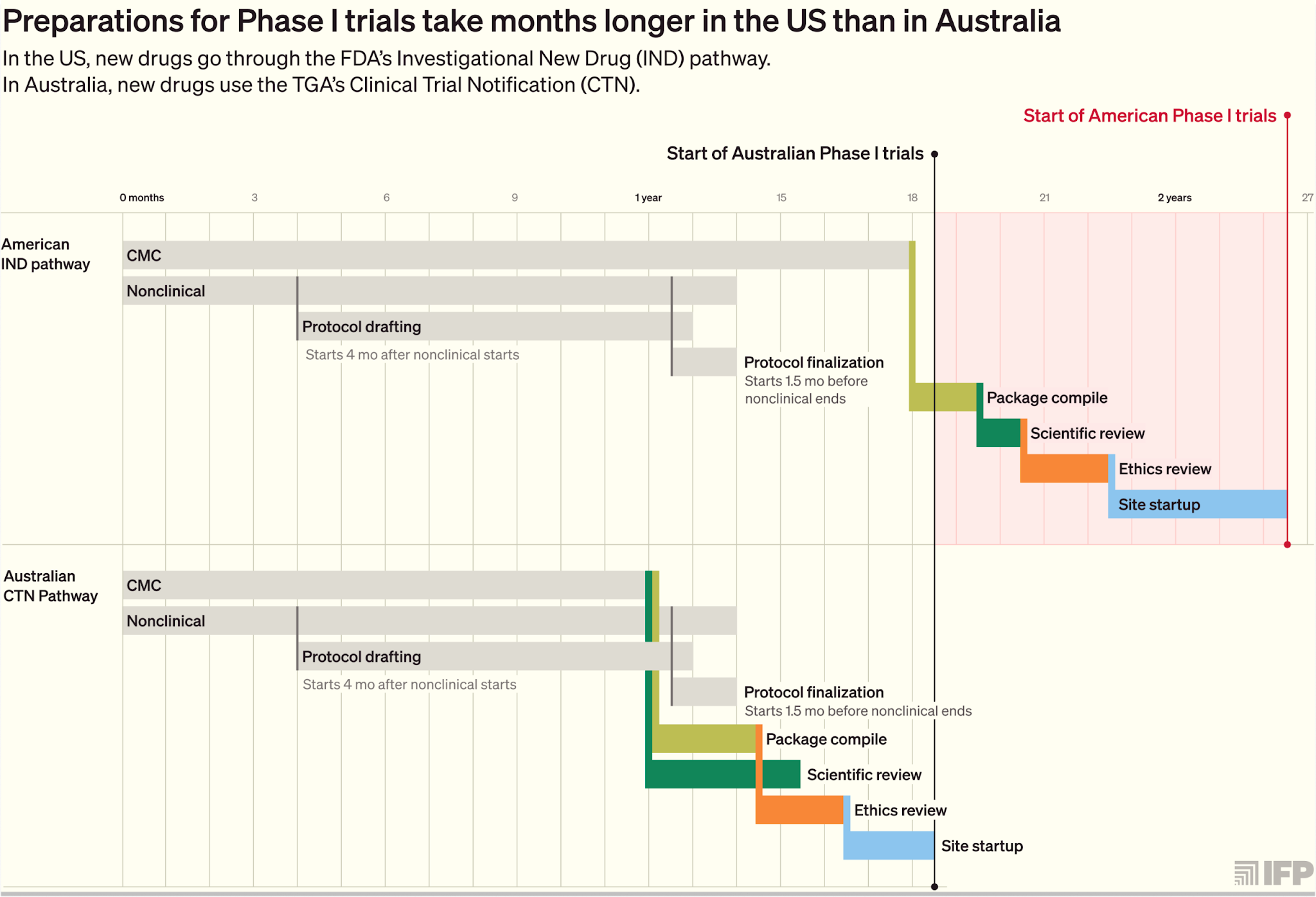
Why Biotech Companies Go to Australia to Test New Drugs. Ruxandra Teslo and Adam Kroetsch explain how and why Phase I clinical trials start 6 to 12 months sooner and cost roughly half as much in Australia (depending on the drug), with no evidence of worse safety outcomes than in the US. They call on Congress to build on the FDA’s new Expedited IND Pilot Program by authorizing an Australian-style trial notification pathway and a risk-based manufacturing standard for early-phase trials.
DUV Immersion Lithography: The Foundation of the US AI Advantage. Nicholas Brown and Saif Khan of the Center for Technology & Statecraft argue that current export controls let China stockpile lithography systems capable of making advanced AI chips. They describe the mechanisms that would enable a China-wide ban on DUV immersion exports, alongside restrictions on servicing and spare parts.
Explaining the Proposed $103k H-1B Fee. Jeremy Neufeld, Amy Nice, Connor O’Brien, Ryan Redmer, and Hunter Wieman answer the key questions about USCIS’s proposed $103,265 fee on cap-subject H-1B petitions. Five analyses project that it would cut H-1B demand by 63–91%. And because about 64% of the money would fund other agencies, the authors argue the fee exceeds USCIS’s legal authority. You can also read their public comment on the same.
Robotics Evals Should Test Hardware, Not Just Software. Amelia Michael argues that today’s robot evaluations test control software on fixed hardware, so they miss what robot bodies can already do. She proposes hardware evaluations that allow any method, including teleoperation, to measure the gap between what the hardware can do and what today’s autonomous models achieve.
📣 Announcements
NSF is creating an Office of Metascience. In a September 10 statement, the National Science Foundation announced an Office of Metascience within the Office of the Director, staffed by metascience experts and data scientists, to test new approaches to funding, merit review, and program management and to report publicly on what works. We previously called for experiments of this kind in Science Agencies Need Metascience Units.
The OpenAI Foundation is supporting CTD Commons. The project is among the recipients of more than $125 million in initial Public Data for Health grants. CTD Commons will acquire and open regulatory filings from bankrupt biotech companies, an effort that Ruxandra Teslo made the case for in Biotech’s Lost Archive.
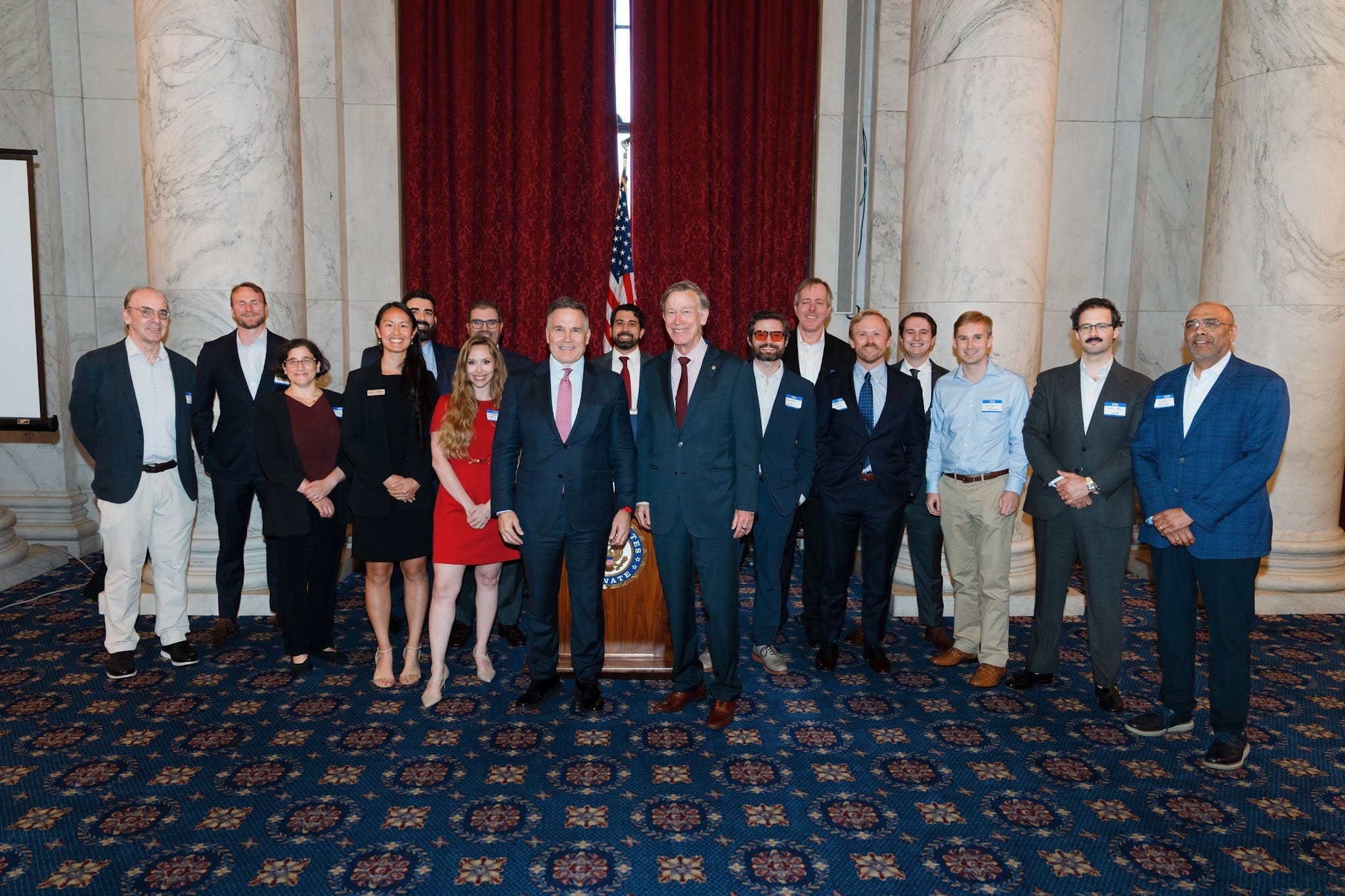
Senate Bipartisan Science and Innovation Caucus launch. On September 14, IFP was one of nine co-hosts of the launch reception for the new Senate Bipartisan Science and Innovation Caucus, formed by Senators John Hickenlooper and Dave McCormick.
The Launch Sequence has closed its open call for pitches. We wound down our open RFP on September 16. We’ll share what we did, what we learned, and what comes next in the coming weeks.
US Energy Data. IFP launched a free platform bringing together more than 130 charts and datasets on energy prices, generation, demand, and reliability, with profiles for all 50 states and DC. Built by Hannah Ritchie with support from Arnold Ventures, this project makes public energy data easier to explore and use.
👋 Welcome
Janet Egan joined IFP as Director of AI Policy. She was previously Deputy Director for Technology and National Security at the Center for a New American Security and served as a director in Australia’s Department of the Prime Minister and Cabinet.
James Sanders joined the Center for Technology & Statecraft, where he will work on technical analysis and policy options for pacing frontier AI development and recursive self-improvement. He previously worked at Epoch AI, where he collected the data for Trends in AI Supercomputers, and at the Center for a New American Security.
Saheb Gulati joined IFP as Associate Technology Fellow. He co-founded the Center for Youth and AI and has worked on AI safety strategy at BlueDot and special projects at the Center for AI Safety.
Andrew Miller, author of Changing Lanes, joined IFP as a Non-Resident Senior Fellow. He will focus on transportation policy, including public transit and driving automation. Andrew previously contributed to our Transit Abundance Playbook.
📰 Media
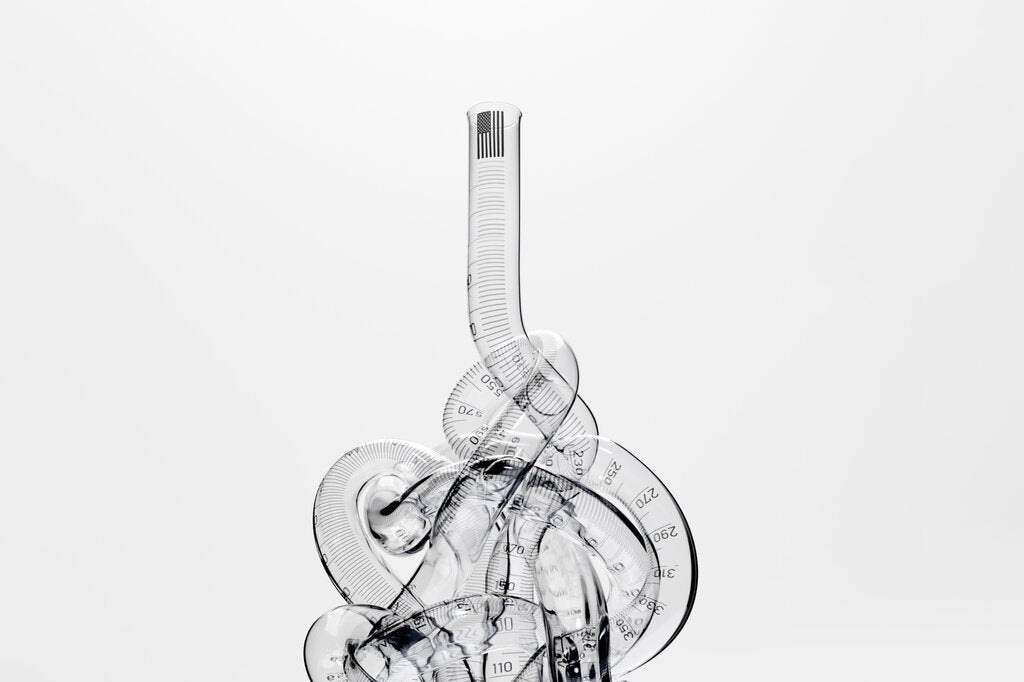
The New York Times published “This Is the Biggest Obstacle to New Cancer Cures,” in which Ruxandra Teslo explains how and why the cost of generating the evidence needed to start a Phase I trial has doubled on average since 2017, pushing early trials to Australia and China, and shows how Congress could fix it in next year’s FDA user-fee reauthorization. The piece was on the cover of Sunday Opinion, and readers responded to the piece in last week’s Sunday issue.
The Wall Street Journal quoted Olivia Scharfman in a report on Red Queen Bio’s use of AI to develop drugs against future pathogens: “The attackers have as much time as they want to develop a bioweapon. We don’t have years to design a countermeasure.”
The Atlantic cited our analysis of selling NVIDIA Hopper chips to China, including our estimate that full chip export controls would have left the US with roughly 20–50 times China’s compute by 2026.
Bloomberg Law quoted Jeremy Neufeld in “H-1B Demand Plummeted in Fallout of First Trump $100,000 Fee,” citing IFP’s estimate that the proposed $103,265 fee would cut H-1B demand by 63–91%.
WIRED quoted Olivia Scharfman on the limits of autonomous labs and the risks of AI-assisted bioterrorism. She called for stronger DNA-synthesis safeguards and better air purification to protect against biological threats.
In City Journal, Connor O’Brien argues that the SMARTER Act could improve skilled immigration by prioritizing earnings, preserving worker mobility, and replacing the H-1B lottery with wage-based selection.
Mass Transit magazine published “A Playbook for Building Cheaper and Faster Transit in the U.S.,” an op-ed by Reed Schwartz and Will Poff-Webster inspired by work from our Transit Abundance Playbook.
The American Planning Association cited the playbook in “Is Transit Primed to Be the Next Abundance Movement?”, quoting Will Poff-Webster and playbook contributor Philip Plotch of the Eno Center for Transportation.
The Real Deal quoted Reed Schwartz on land value capture as a funding mechanism for New York’s Interborough Express in “NY Dirt: Hochul’s IBX-Oriented Housing ‘Dream’ Needs Funding.”
Monitoring the Situation hosted IFP and CTS guests twice in September:
On September 4, Ruxandra Teslo and Adam Kroetsch discussed what slows Phase I trials in the US and how Australia and China compare, and the possibility of Clinical Trial Abundance.
On September 17, Konstantin Pilz of the Center for Technology & Statecraft joined the show to talk about China.
Science|Business quoted Jenn Gustetic on why research reform should complement universities and why unpredictable, unreliable, and reduced federal funding destabilizes research.
The Hope Axis hosted Alec Stapp for “Rethinking the Think Tank for Better Governance,” a conversation with Anna Gát about building IFP, science funding, technological progress, and keeping a policy institution adaptable.
📅 Upcoming Events

Progress Conference 2026. IFP will co-host the October 8–11 gathering in Berkeley, bringing together people working across science, technology, and policy. The conference is sold out.
🏛️ Statecraft by Santi Ruiz
How to Build a Policy School. Santi Ruiz talks with Will Howell, the inaugural dean of Johns Hopkins’s School of Government & Policy, about why traditional policy degrees no longer fit the work of government and how a new program might train people to reform institutions as well as design policy.
How to Build an Authoritarian Regime. Santi Ruiz talks with Julian Waller, a research analyst at the Center for Naval Analyses who teaches Authoritarianism 101 at George Washington University, about why military juntas rarely last while party states do, how the Kremlin reacted to the Wagner mutiny, what a “pacted transition” could look like in Venezuela, and why he thinks the US shouldn’t worry about authoritarianism.
🏗️ Construction Physics by Brian Potter
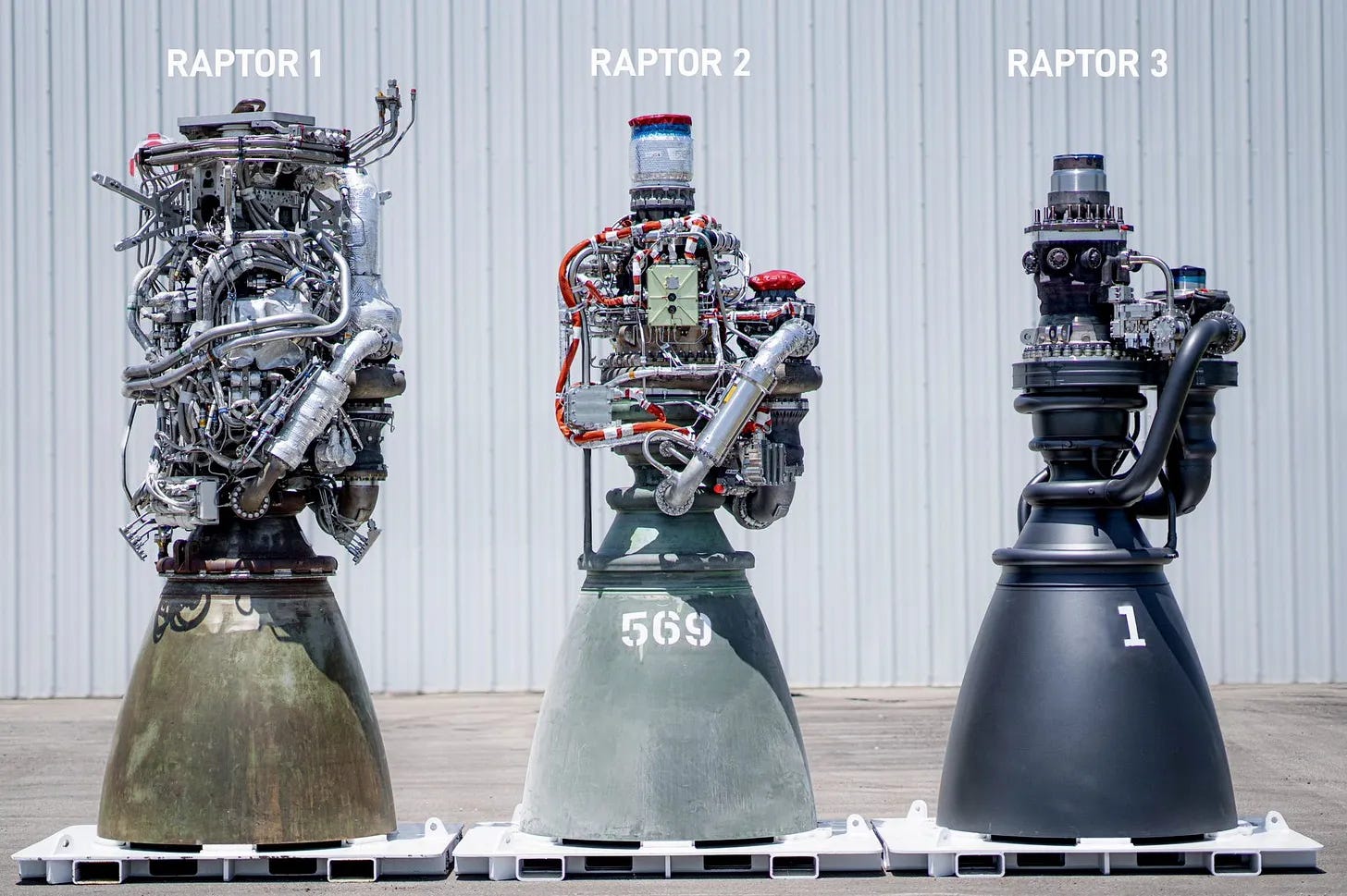
How SpaceX Streamlined the Raptor Engine. Brian pieces together how SpaceX turned the tangle of pipes and wires on the Raptor 1 into the sleek Raptor 3 engine, all while delivering about 35% more thrust.
How Will the 21st Century ROAD to Housing Act Affect Housing Supply? Part III. Brian concludes his multi-part series on the Act by analyzing its remaining nine titles. The biggest potential effects are concentrated in a handful of provisions, including HOME reauthorization with NEPA exclusions, USDA rural housing funding, and restrictions on institutional investors buying existing single-family homes.
Where Has Construction Automation Been Successful? Brian uses AI to comb through thousands of digitized construction trade journals going back to the 19th century and finds that successful automation falls into two categories: work that can move off-site into a factory, and on-site tasks that can be made simple and repetitive enough to be factory-like.
🔬 Macroscience by Andrew Gerard
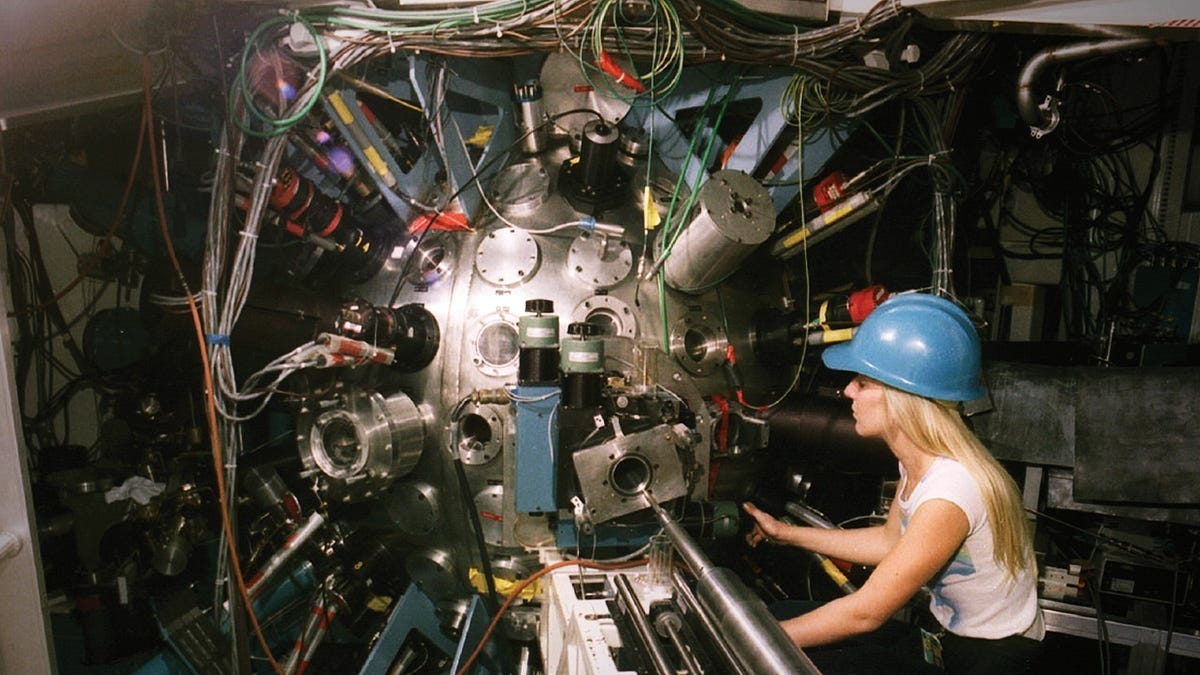
Kyle Myers on the Direction of Science. Andrew Gerard recaps Kyle Myers‘s lecture, the fifth in our course on the Economics of Ideas, Science, and Innovation. Kyle explains where science funding actually goes and the economics behind grants, contracts, prizes, and other funding mechanisms, a companion to IFP’s Atlas of Innovation.
Matt Clancy on Science and the Returns to R&D. In the sixth lecture of our Economics of Ideas, Science, and Innovation course, Matt Clancy explains how to measure the social returns to R&D, including the long delays before basic research pays off and what those delays mean for public investment.
Debate: National Labs vs. New Science Institutions. In Macroscience’s first debate, Ben Reinhardt and Dan Recht argue that new research institutions can fill gaps and spur reform through competition; Jordi Cabana makes the case for studying and improving the National Labs, and learning from them when designing new institutions.
👋 Tweet for the Road


